
BBC deliberately keeps the 'imperfect' shots in Blue Planet III: why imperfection became a signal of authenticity
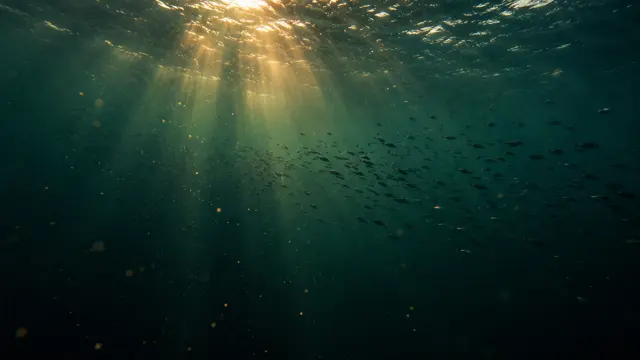
Short answer: in the new season of the nature documentary series Blue Planet III, the BBC deliberately leaves in less-than-perfect shots that it would have cut in editing before, for example ones with plankton drifting in the water or a boat that wandered into frame. According to The Verge, the goal is simple: to prove to the viewer that this is real footage, not an AI generation, because an overly smooth, polished picture has itself become one of the clear signs of a fake.
What exactly the BBC did
Earlier seasons of the series were defined by an almost unnaturally flawless, crystal-clear picture. In the new season, the team is doing things differently. Executive producer Elizabeth White, in conversation with The Guardian (the quote is carried by The Verge), said that previously, the amount of plankton and other particles in the water would have been reason enough to cut a shot. The crew might have removed a stray boat or buoy from the shot, or simply decided the water conditions weren't good enough for filming. Now all of that is being left in, to show a more authentic, living picture of the ocean. According to The Verge, the series includes shots of dolphins catching fish by plugging holes with sea sponges, shots of communication between different fish species, and shots of two hundred thousand crabs lining up in formation to feed. White says that real ocean creatures, in her words, are probably more remarkable than AI could imagine.
Why imperfection became a signal of authenticity for the viewer
The Verge states the logic behind the BBC's decision directly: by the outlet's own observation, one of the clear signs of an AI fake is when everything in the shot looks too polished and seamless. Now that neural networks can easily paint a perfectly beautiful picture, it's precisely that perfection that has started to raise the viewer's suspicion rather than trust. This doesn't mean any imperfect shot is now automatically considered authentic: roughness can be faked too, if someone wants to. This is about one specific decision by one team for one series, not a universal rule for all video.
What a business owner publishing their own content can take from this
If a company's marketing, social media, or website uses photos, video, or text made or edited with a neural network, it's worth keeping in mind: a result that's too smooth, without a single rough edge, raises suspicion for part of the audience today, the question "is this even real?". Before retouching or perfectly grooming every shot and every sentence, it's worth asking yourself: could excessive polish be a reason for a client, who's already used to looking for signs of AI in content, to doubt its authenticity? There's a simple way to check this: show a pair of clients or colleagues a rougher, less-retouched version of the material side by side with the final one, and ask them directly which of the two looks more real to them, and why. If they didn't notice a difference, or picked the polished version, "degree of roughness" isn't the main lever of trust for that audience. In that case, instead of imitating imperfection, it's more reliable to simply state directly in the caption or description what's real in the photo, video, or text: for example, that it's genuine footage of your own team or a real object, not a generated image, or to honestly note that the material was made or edited by a neural network.
Bottom line
In Blue Planet III, the BBC deliberately leaves in less-than-perfect shots to prove to the viewer that the footage is authentic now that an overly smooth picture has become one of the signs of an AI fake. The decision concerns one specific series, not a universal rule for all video, but the observation that excessive polish can undermine content's trustworthiness is worth keeping in mind in a small company's marketing too.
I run a portfolio of AI agent and automation projects for business: see examples or reach out directly about your own task.
Sources
- Terrence O'Brien. Blue Planet III is keeping the rough edges in the age of AI. The Verge, October 24, 2026. https://www.theverge.com/ai-artificial-intelligence/1018205/blue-planet-iii-authentic-organic-ai